
2026 Easter Sunday Homily
Written by the Very Rev. William V. Kaliyadan, M.S.,
Provincial Superior Missionaries of La Salette, Mary, Mother of the Americas
Some Catholics look especially joyful on Easter—partly because Christ is risen, and partly because Lent is finally over. But Easter is much more than the end of fasting and sacrifice. It is the feast of hope. It is the proclamation that life is stronger than death, light is stronger than darkness, and love is stronger than anything that tries to bury the human spirit.
There is a beautiful quote from Saint Catherine of Siena that captures the essence of what we celebrate today: “All the nails in the world could not have held Christ to the Cross, had love not held Him there first.”
Jesus was not held to the Cross simply by nails, but by love—His deep, faithful, and saving love for each one of us. That love is what carried Him through the suffering of Good Friday, and that same love gives us hope today.
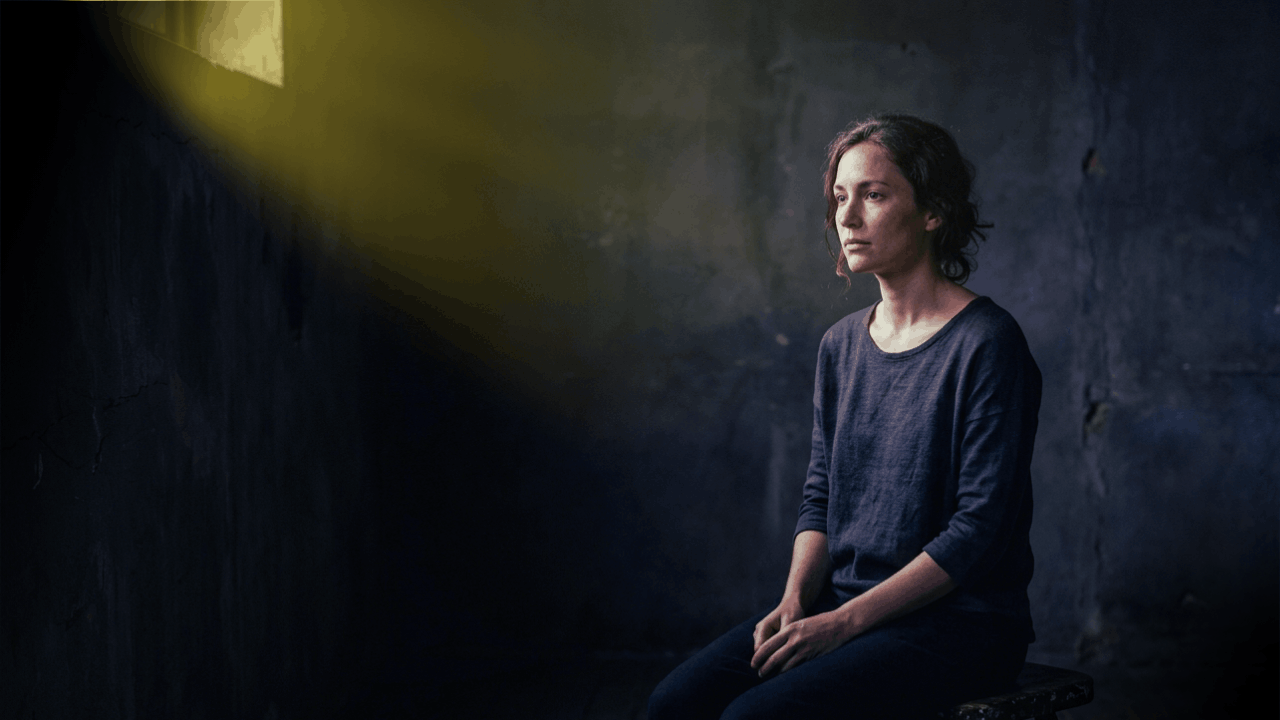
Last night, in parishes around the world, the Easter Vigil began in darkness. That darkness symbolized all darkness—suffering, grief, confusion, fear, and death in all its forms. Then a fire was lit. The Paschal Candle, representing Christ our Light, was carried into the church. Each person held a candle that was lit from that one flame, and gradually the increasing light dispersed the darkness. That is not only a beautiful ritual. It is also the meaning of Easter.
In today’s Gospel, Mary Magdalene comes to the tomb early in the morning, while it is still dark. She comes carrying grief and love, not understanding. She is not expecting resurrection. She is simply trying to remain faithful in sorrow. And honestly, the fact that she is there that early in the morning is already a little miracle that many Catholics can appreciate on Easter Sunday. But she comes in the darkness, and instead of finding death, she finds emptiness. The stone has been rolled away. The body is gone. Peter and the beloved disciple run to the tomb. They do not yet understand everything, but they begin to notice the signs. They see the linen cloths, and slowly faith begins to awaken.
And that is often how Easter happens in our own lives. Not always with immediate answers. Not always with full clarity. Sometimes faith begins in the empty places, rolled away stones, and the linen clothes.
I remember an experience from a few years ago. A friend of mine suddenly lost his young daughter to illness. Losing someone is never easy, but it is especially painful when the one lost is so young. After some time had passed and the period of mourning had settled into a quieter sorrow, I met him again. He said to me, “I still do not understand why she had to go.” But then he added something that deeply moved me: “I feel I must do something so that other parents do not have to go through the same suffering.” He told me that he wanted to begin a medical fund so that no child would be lost simply because a family could not afford care.
His words brought a strange and quiet comfort to me. In the midst of unbearable loss, something new was beginning to rise—not answers, not explanations, but compassion, purpose, and love. And that, in a way, is where Easter begins.
Easter’s significance today goes beyond a historical event; it’s about Jesus being alive now. He’s not confined to Scripture or this church but lives among us, present in silent prayers, tears, and daily moments. He meets us like He did Mary Magdalene, Peter, and the beloved disciple—in unexpected places where hope appears.
Easter reminds us that even when we do not understand, even when life is cracked open by loss, confusion, fear, or disappointment, the risen Christ is already present. He does not wait for us to have all the answers. He enters into our mess, our pain, and our longing, and fills those places with His presence and love.
Like the beloved disciple in the Gospel, we may not always see Jesus in the flesh. But sometimes it is the small signs, the quiet traces, the “linen cloths” left behind in our lives, that awaken faith in us. Sometimes it is the compassion that rises after grief, the courage that returns after fear, the generosity someone extended to us, the peace that comes after tears—these become the signs that tell us: He is alive. He is here. He is still part of our story.
Perhaps this Easter, that message is more urgent: many feel surrounded by darkness—personal, social, and political. We see division, anger, fear, distorted truth, manipulated conscience, and power seeking. Many feel invisible or forgotten, signs of darkness closing in on the human heart. And that is exactly why Easter matters.
Easter sends us out as people of hope. Mary Magdalene did not remain at the tomb; she was sent to announce the good news. And that is the hope of Easter: that God is often found not in the places of certainty and control, but in the empty places—where we have been broken, where we have waited, where we have wept, and where we have wondered if anything good could come again.
Yes, my dear friends, there is life in the empty places of our lives.
Happy Easter. God bless us all.